
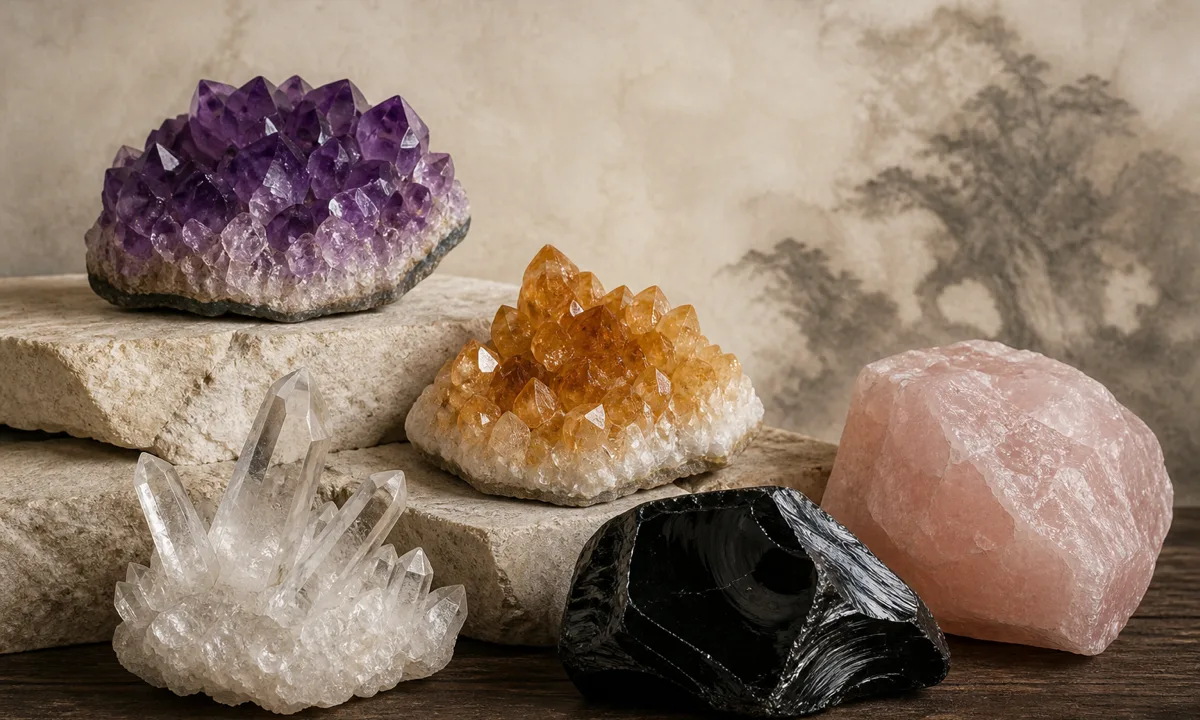
A citrine bracelet is one of the most popular crystal accessories in the world — a warm, golden band of quartz that has been admired for centuries for its bright color and its associations with optimism and abundance. In Chinese culture, yellow has long been a color of honor and prosperity, which makes citrine a natural fit for the feng shui tradition of using color and stone to shape the energy of a space and a life.
This guide covers citrine bracelet meaning in depth: what citrine is, what its color symbolizes, how it is traditionally used in feng shui, how to choose and wear a citrine bracelet, and how to care for it.
What is a citrine bracelet?
A citrine bracelet is a piece of jewelry made from citrine — a golden-to-orange variety of quartz (silicon dioxide) colored by traces of iron in its crystal structure. Like other quartz, citrine ranks 7 on the Mohs hardness scale, which makes it durable enough for everyday wear. Fine citrine is mined mainly in Brazil, with notable sources in Uruguay, Madagascar, and Russia, and its color ranges from pale lemon yellow to deep amber.
| Citrine fact | Detail |
|---|---|
| Mineral family | Quartz (silicon dioxide) |
| Color | Golden yellow to amber and orange |
| Hardness | 7 on the Mohs scale |
| Main sources | Brazil, Uruguay, Madagascar, Russia |
| Notable varieties | Lemon citrine, Madeira citrine (deep amber) |
| Traditional associations | Optimism, abundance, warmth, clarity |
One honest note for buyers: much of the citrine on the market is heat-treated amethyst — amethyst turns golden when heated, and the process is stable and widely accepted in the trade. Natural citrine is rarer and usually paler. Both are real quartz; the distinction matters mostly for collectors and for pricing transparency, and a reputable seller will tell you which one you are buying.
Citrine bracelet meaning and symbolism
Across cultures, citrine carries a remarkably consistent set of meanings. These are cultural and spiritual associations — beliefs passed down through generations, not scientific claims — and they are why the stone is so often chosen as a gift or a personal talisman:
- Optimism and warmth. Citrine's golden color is associated with sunlight, cheerfulness, and a bright outlook. It is the stone people reach for when they want to feel lighter.
- Abundance and prosperity. In Chinese and Western folk traditions alike, yellow and gold have been linked to wealth and good harvest. Citrine is sometimes called the "merchant's stone" for this reason.
- Clarity and motivation. The bright, clear color is linked to focused thinking and an active, forward-moving attitude.
- Self-confidence. Wearing citrine is traditionally seen as a reminder of one's own inner brightness — a quiet boost for courage and self-expression.
In Chinese culture, the association runs especially deep. Yellow was historically the color of the imperial court, and the phrase 黄金满地 ("golden ground underfoot") is a classical image of abundance. Citrine's golden tone therefore fits naturally into a cultural context where the color itself already carries meanings of honor and prosperity. When used in feng shui, these meanings are applied through placement and intention — the stone is a reminder and a focus, not a mechanical tool.
Citrine bracelet in feng shui
In feng shui, citrine is most often used as a stone of warmth, optimism, and intention. Because the practice works with color, placement, and symbolism, a citrine bracelet can be part of that language in two ways — worn on the body or placed in a space.
| Placement or use | Intended purpose | Practical tip |
|---|---|---|
| Worn as a bracelet | A daily reminder of optimism and self-confidence | Wear on either wrist; many people choose the non-dominant wrist for comfort |
| Southeast corner of a room | Traditionally associated with wealth and abundance in feng shui | A small bowl of citrine stones or a bracelet on a dish |
| Desk or work area | Focus, motivation, and a bright working atmosphere | Keep it visible where you work |
| Purse or wallet | A traditional "merchant's stone" companion | Slip a small tumbled stone next to your cards |
| Gift-giving | A thoughtful symbol of good wishes | Pair the bracelet with a short note about its meaning |
A few feng shui guidelines people commonly follow: citrine is considered a "yang" stone — bright and warming — so it suits active spaces like the living room, office, and entryway more than restful ones. Some practitioners associate golden yellow with the earth element and use it in the center or southwest of a home, while others simply place it where they want more warmth and optimism. As with all feng shui practices, the meaningful part is your intention: the stone is a reminder and a focus for the atmosphere you want to create.
How to choose a citrine bracelet
Whether you are buying for yourself or as a gift, the same basic criteria apply:
- Color. Look for even, rich golden color. Deep amber "Madeira" stones are prized, while pale lemon is subtler; avoid washed-out or unevenly colored beads.
- Clarity. Translucent stones with fewer cracks and inclusions are usually considered higher quality, though some natural variation is normal and fine.
- Bead quality. Check that beads are uniform in size, holes are centered, and the stringing is sturdy — a good bracelet should lie flat on your wrist without gaps.
- Seller honesty. Reputable sellers should tell you whether the stone is natural citrine or heat-treated amethyst, and show clear photos. This transparency matters more than the label.
Price varies with color depth, size, and clarity. A simple citrine bead bracelet is affordable at any quality level; deep amber, high-clarity pieces command more. Buy from a seller who describes the stone honestly.
How to wear and care for a citrine bracelet
A citrine bracelet is easy to wear daily and simple to care for:
- Wearing. Citrine ranks 7 on the Mohs scale, so it is sturdy enough for daily wear. Many people wear it on the wrist they use less, so it stays out of the way.
- Cleansing. Traditionally, people cleanse citrine by rinsing it gently in cool running water or placing it in moonlight overnight. These are traditional practices of intention, and they also keep the bracelet clean.
- Sunlight caution. Unlike some stones, citrine does not fade easily in sunlight, but prolonged, constant direct sun can affect any stone's luster — store it in a jewelry box or pouch when not worn.
- Everyday care. Remove the bracelet before swimming, bathing, or heavy cleaning. Wipe with a soft cloth; avoid harsh chemicals.
Bringing citrine into daily life
A citrine bracelet works as well in daily life as it does in a dedicated space: a warm flash of gold at the wrist, a reminder of optimism during a stressful meeting, a thoughtful gift with a story behind it. Its meanings — warmth, abundance, clarity — make it one of the most wearable crystals, and a natural fit for anyone drawn to the golden side of the crystal family.
Whether you are drawn to it for its color, its feng shui associations, or simply because it looks beautiful, citrine is a stone with centuries of meaning behind it. Like all crystal practices, its use is a cultural and spiritual tradition for self-reflection and atmosphere — if you have health concerns, always consult a qualified professional rather than relying on stones or beliefs alone.
---
Related reading
- Crystals and their meanings — see where citrine fits in the crystal family
- Protection crystals guide — grounding stones that balance citrine's warmth
- Amethyst meaning and uses — the calm companion to citrine's golden energy
- Best feng shui tools of 2026 — crystals and tools compared
- Feng Shui explained — the principles behind every placement
Frequently Asked Questions
What does a citrine bracelet mean?
A citrine bracelet is traditionally associated with optimism, warmth, abundance, and self-confidence. Its golden color links it to sunlight and prosperity in both Chinese and Western folk traditions, which is why it is often called the "merchant's stone" and given as a gift of good wishes.
What does a citrine bracelet do in feng shui?
In feng shui, citrine is used as a stone of warmth and intention. It is placed in active spaces — desks, offices, the southeast corner of a room — as a reminder of optimism and focus. The practice works through color, placement, and symbolism; the stone is a focus for the atmosphere you want to create, not a mechanical tool.
Is citrine good to wear every day?
Yes. Citrine ranks 7 on the Mohs hardness scale, so it is sturdy enough for daily wear. Take the bracelet off before swimming, bathing, or heavy cleaning, and wipe it with a soft cloth. Many people wear it on the wrist they use less, so it stays comfortable and out of the way.
How can I tell if my citrine is real?
Real citrine is golden quartz — cool to the touch, with natural variation in color. Much of the citrine sold today is heat-treated amethyst, which is also real quartz but usually deeper and more uniform in color. Both are genuine stones; the key is that a reputable seller tells you which one you are getting and shows clear photos.
What is the difference between citrine and amethyst?
Both are varieties of quartz. Amethyst is purple, colored by iron in a different oxidation state; citrine is golden. Heating amethyst turns it golden — this is how most commercial citrine is made. Natural citrine is rarer and usually paler than heat-treated stones.